

Shinnyo-en in the United States
Welcome to
Shinnyo-en
For people balancing spiritual practice with work and family,
Shinnyo-en offers a place to learn and practice together.
About Shinnyo-en
A family’s decision
in 1936
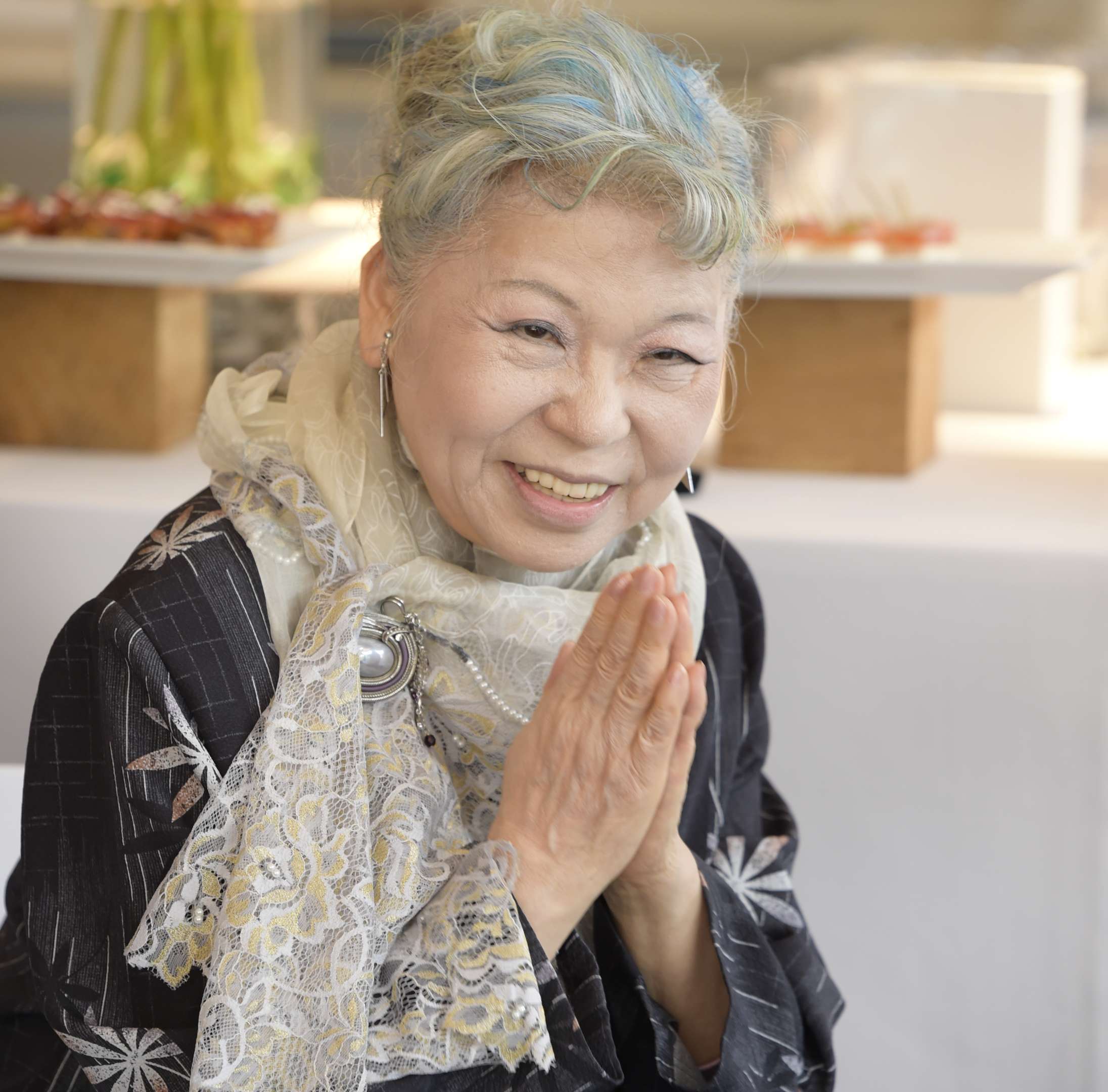
Shinso ItoHead of Shinnyo-en
Before he became a Buddhist teacher, Shinjo Ito was an aircraft engineer. In 1936, he and his wife Tomoji chose to devote their lives to helping the people who came to them for spiritual advice.
The community that grew around them became Shinnyo-en. Shinjo’s training at Kyoto’s Daigoji monastery gave it roots in Shingon Buddhism. He and Tomoji shaped those teachings into a path people could follow alongside family responsibilities and a working life.
Since 1989, their daughter Shinso Ito has led the community as Head of Shinnyo-en.
Read more about the teachings at www.shinnyoen.org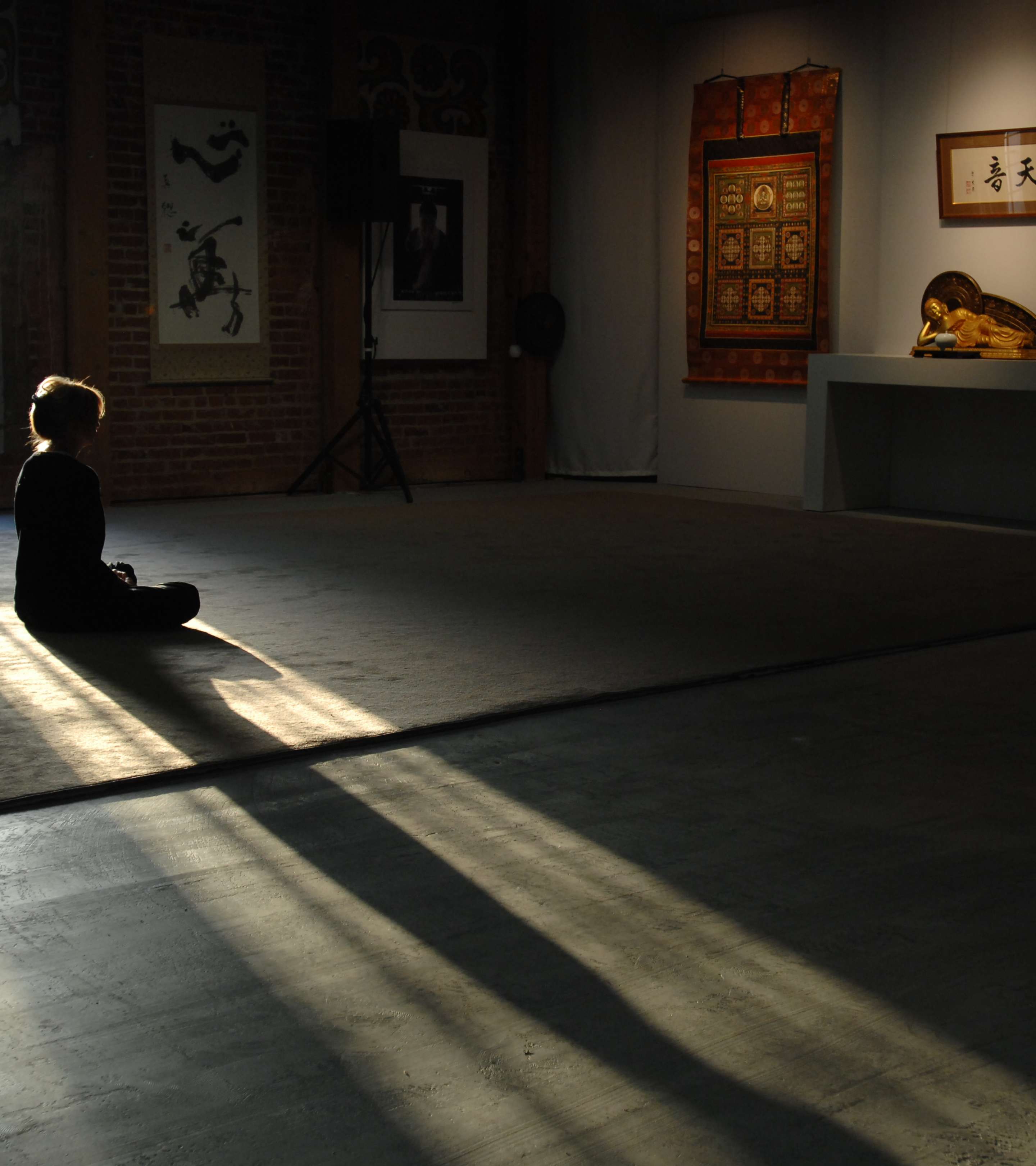
Belief and practice
What happens
beyond the temple
Shinnyo-en teaches that every person has buddha nature: the potential to awaken to wisdom and compassion. Recognizing that potential in someone we find difficult can take more effort than agreeing with it in principle.
In formal sesshin meditation, a practitioner receives guidance from a qualified spiritual guide, then considers how to act on it in familiar situations. A difficult conversation at home may be the place to start.
In the United States, members gather at temples and centers from Hawaiʻi to New York. Alongside temple activities, there are opportunities to volunteer locally and take part in service projects. The Shinnyo-en Foundation supports youth programs and partnerships with schools and community organizations.
Find a temple or centerAnnual Training
Time to take
another look
Each year, Annual Training recalls the choice Shinjo and Tomoji made in 1936. It also asks something of present-day practitioners: to look at how they have been living and give the teachings their attention again.
Something heard many times can take on a different meaning after a difficult year or a change in circumstances. The three training periods allow time to reflect, try putting an insight into action, and return to it with some experience.
Opening
Listening to the teachings, chanting, and meditating provide a starting point for examining our conduct, including the effect of our words on others.
Middle
Between the opening and closing periods, attention turns to helping others. This is individual practice, carried out wherever daily responsibilities take us.
Closing
The closing period brings participants back to study and meditation. Experience from the middle period can help them understand the teachings more deeply.
This year’s materials and schedules are available in the Annual Training section.
For local arrangements, contact your temple.